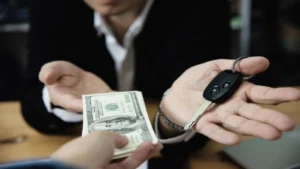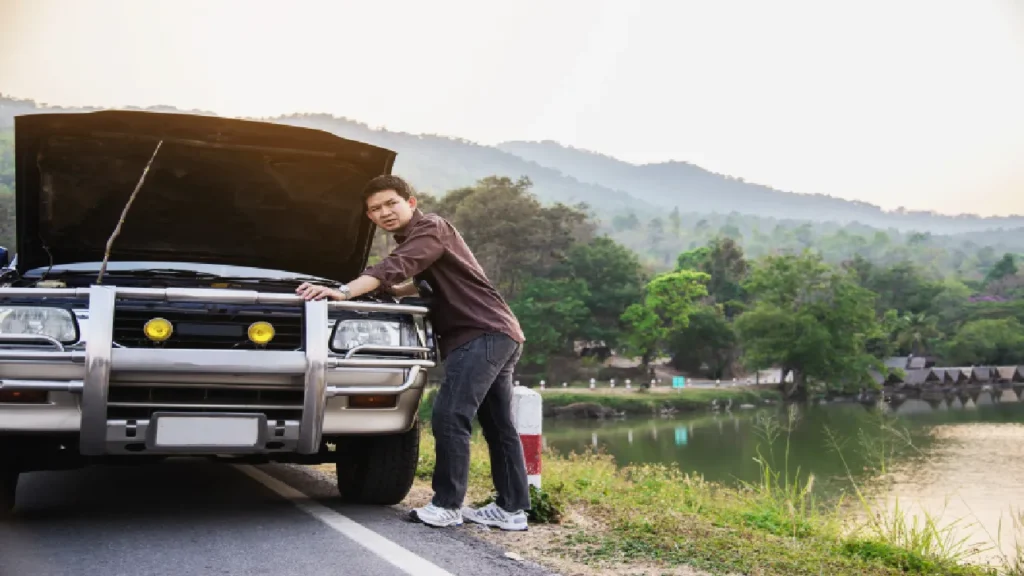
If you have an old, damaged, or non-running vehicle, you have several options for selling it. You can contact a local junk car buyer, visit a salvage yard, sell the vehicle privately, or request an offer from an online car-buying service. The best choice depends on your car’s condition, its remaining parts value, and how quickly you want to complete the sale.
For many owners, a local junk car buyer is a convenient place to start because some buyers purchase vehicles in almost any condition and arrange towing as part of the transaction. A salvage yard may also be worth contacting if your vehicle contains reusable parts or valuable scrap metal.
Before accepting an offer, compare the amount you will actually receive, including any towing charges or other fees. Understanding how each selling option works can help you make an informed decision without spending money on unnecessary repairs.
Where Can I Sell a Junk Car Near Me?
The most suitable place to sell a junk car depends on whether the vehicle still has resale value or is primarily worth its parts and scrap materials.
Here are the main options to consider.
1. Local Junk Car Buyers
Local junk car buyers purchase vehicles that owners no longer want to keep or repair. Depending on the buyer, eligible vehicles may include cars with engine problems, accident damage, transmission issues, extensive wear, or other mechanical faults.
Many junk car buyers also offer vehicle pickup, making this option useful when a car cannot be driven.
Before agreeing to a sale, ask whether the quoted price includes towing, whether the offer could change after inspection, and when payment will be made.
Best for: Owners who want a straightforward way to sell an unwanted, damaged, or non-running vehicle.
2. Junkyards and Auto Salvage Yards
Junkyards and auto salvage yards evaluate vehicles for reusable components, scrap metal, and other recoverable materials. A vehicle with a working engine, transmission, or sought-after replacement parts may interest a salvage buyer even if it is no longer suitable for everyday driving.
Some yards buy complete vehicles, while others have specific purchasing requirements. Contact the yard before arranging transportation, particularly if the car does not run.
Best for: Vehicles with reusable parts or meaningful salvage value.
3. Private Buyers
Selling privately may be worthwhile if your vehicle still runs, has repairable damage, or contains components that make it attractive to another driver or mechanic.
You can advertise the car through online marketplaces or local classified listings. Include clear photographs, accurate details about its condition, and an honest description of any mechanical problems.
Private sales can take longer because you need to communicate with prospective buyers, negotiate a price, and arrange payment and transportation.
Best for: Vehicles that retain enough resale value to justify the additional time and effort.
4. Online Car-Buying Services
Some online services provide vehicle valuations and purchase offers through their websites. The information they request may include the vehicle identification number (VIN), mileage, make, model, year, and overall condition.
Availability varies. Certain services accept damaged or non-running vehicles, while others focus on cars that can still be driven.
Read the purchase terms carefully and confirm whether the final offer includes collection and any applicable fees.
Best for: Sellers who want to compare offers without visiting several locations in person.
5. Dealerships and Trade-In Programs
A dealership may accept your current vehicle as a trade-in when you purchase another car. However, this option is generally more suitable for vehicles with some resale or trade-in value than for cars intended solely for dismantling or scrap.
If your vehicle has substantial mechanical damage, compare the dealership’s offer with quotes from junk car buyers and salvage yards before deciding.
Best for: Owners who are replacing their current vehicle and want to combine the sale with another purchase.
How Do I Choose the Best Place to Sell My Junk Car?
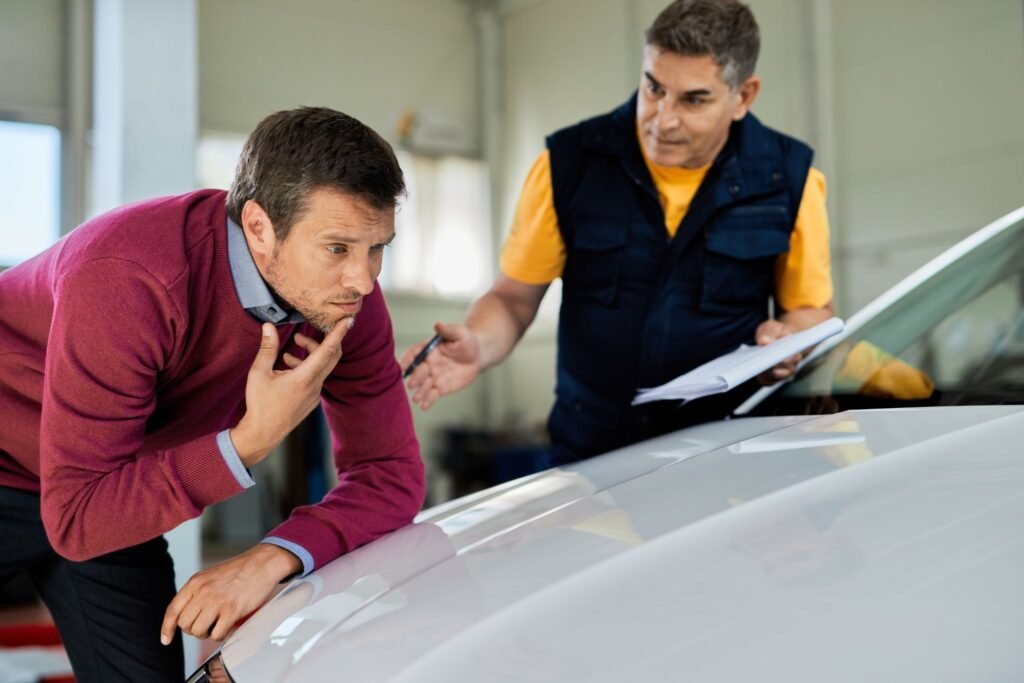
The right buyer is not necessarily the one who advertises the highest price. Consider the complete transaction, including payment, transportation, paperwork, and the vehicle’s condition.
| Selling option | Main advantage | Important consideration |
| Local junk car buyer | Convenient sale and potential pickup | Confirm towing and payment terms |
| Salvage yard | Evaluates reusable parts and scrap | Offers vary by vehicle and yard |
| Private buyer | Potentially higher resale value for suitable cars | Requires more time and coordination |
| Online buying service | Convenient quote comparison | Vehicle eligibility varies |
| Dealership | Can simplify a vehicle replacement | May be unsuitable for severely damaged cars |
Requesting two or three comparable offers is a practical starting point. Give each buyer the same vehicle information so you can evaluate their offers fairly.
What Determines the Value of a Junk Car?
A junk car’s value depends on several factors. Even vehicles of the same make and model can receive different offers because their condition, parts availability, and transportation requirements may differ.
Make, Model, and Year
The vehicle’s make, model, and year can influence demand for replacement parts. A popular model with components that other owners need may attract interest from salvage buyers.
Newer vehicles may contain useful components with resale potential, although age alone does not determine value.
Mechanical Condition
A vehicle that no longer starts can still have value. Buyers may assess its engine, transmission, electrical systems, wheels, interior, and other components when deciding what they can recover.
Tell the buyer whether the vehicle starts, moves, or has known mechanical problems. Accurate information helps establish realistic expectations before pickup.
Damage and Missing Parts
Accident damage, rust, flood exposure, fire damage, and missing components can affect an offer. The impact depends on the type and extent of damage and whether the remaining parts can be reused.
You do not need to diagnose every problem yourself. Describe what you know and allow the buyer to explain any additional information needed for an accurate quote.
Scrap Metal Value
When a vehicle is primarily purchased for scrap, its weight and recoverable materials can contribute to its value. Scrap market conditions also influence what buyers can offer.
However, the complete offer may account for more than metal alone. Reusable components, processing expenses, transportation, and the buyer’s operating costs can also affect the price.
Location and Towing Requirements
A vehicle’s location can influence the cost and availability of pickup. If your car is parked in a difficult-to-access area or cannot roll, the buyer may need additional equipment.
Ask whether collection is included in the offer and explain any access restrictions before scheduling pickup.
How to Get a Better Offer for Your Junk Car
You can improve the selling process by preparing accurate information and comparing the actual terms of each offer.
1. Gather Your Vehicle Details
Have the following information ready:
- Make, model, and year
- VIN, if available
- Approximate mileage
- Whether the vehicle runs
- Known mechanical problems
- Accident damage or missing parts
- Current title and ownership-document status
- Vehicle location
Clear details help buyers assess the car without unnecessary back-and-forth communication.
2. Keep the Vehicle’s Existing Parts Intact
Before removing the battery, wheels, catalytic converter, engine components, or other parts, ask how doing so would affect the offer.
A complete vehicle may be more attractive to a buyer who intends to resell usable components. Removing parts could reduce the value of the vehicle as a whole, even if those parts have individual resale value.
Compare the potential benefit with the time, expense, and effect on the remaining vehicle before making changes.
3. Compare the Final Amount You Will Receive
Suppose one buyer offers $450 with a separate $75 towing charge, while another offers $400 with pickup included.
In this illustrative example, the first offer leaves you with $375 before any other costs, while the second leaves you with $400. The lower quoted price provides the better net return.
Ask every buyer:
- Is towing included?
- Are there additional charges?
- Is the quote based on the information provided?
- Under what circumstances could the offer change?
- When and how will payment be made?
Comparing the net amount makes the decision much clearer.
4. Avoid Unnecessary Repairs
Before paying for repairs, consider whether they are likely to increase the vehicle’s selling price enough to justify the expense.
For example, replacing an expensive transmission may not make financial sense if the vehicle’s overall resale value remains low. In that situation, selling the car in its current condition may be more practical.
Ask buyers to evaluate the vehicle as it stands before investing in repairs.
5. Prepare for Pickup
Remove personal belongings, collect the necessary documents, and confirm the pickup arrangements in advance.
Take photographs of the vehicle for your records and clarify when payment will occur. These simple steps help you complete the transaction with a clear understanding of what to expect.
Can I Sell a Junk Car That Does Not Run?
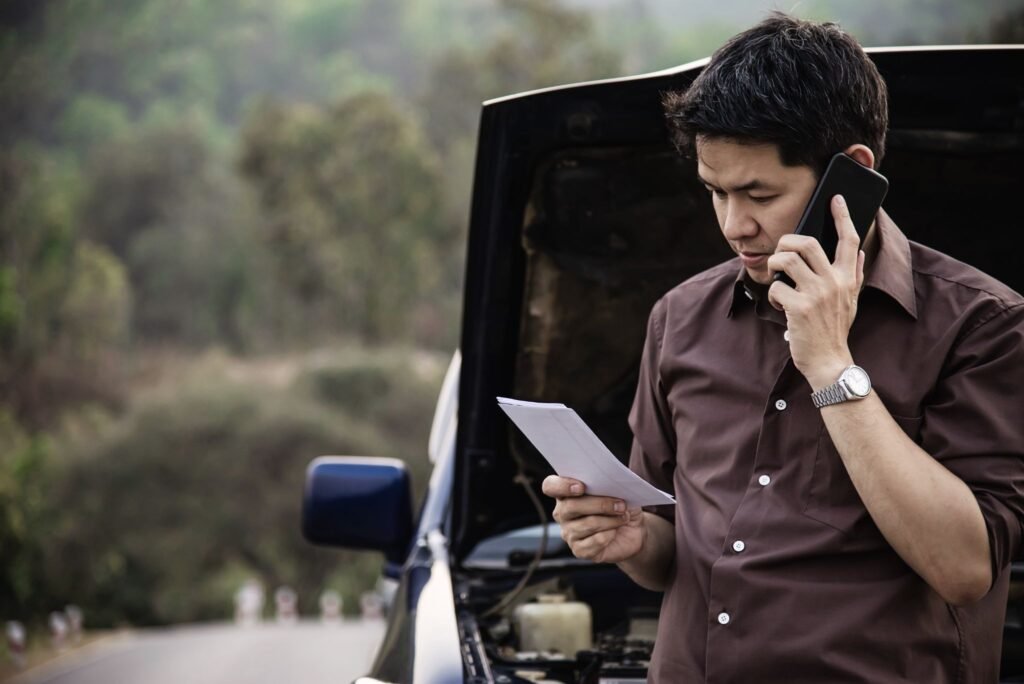
Yes, many junk car buyers and salvage yards purchase non-running vehicles. A car does not need to be roadworthy to have value as a source of reusable parts or scrap materials.
When requesting a quote, explain whether the vehicle starts, whether it can roll, and whether its major components are still present. This information helps the buyer determine what equipment may be needed for collection.
If the car is parked in a garage, behind another vehicle, or in an area with limited access, mention that as well. Pickup requirements can affect the overall transaction.
Do I Need a Title to Sell a Junk Car?
Ownership documentation depends on the vehicle, the transaction, and the applicable state requirements.
In Michigan, a vehicle title generally establishes ownership, and sellers normally need the appropriate title documentation to transfer a vehicle. Special circumstances, such as a missing title, an outstanding lien, or a vehicle classified for scrap, may require additional steps.
If you are selling a junk car in Michigan, review the official Michigan Secretary of State vehicle title guidance or contact the department for instructions specific to your situation.
Before arranging pickup, tell the buyer if you have lost the title or if the vehicle has an unresolved lien. Confirm what documentation is acceptable before completing the sale.
Frequently Asked Questions
Where is the best place to sell a junk car?
A local junk car buyer, salvage yard, private buyer, or online car-buying service may be suitable. Compare offers based on your vehicle’s condition, pickup costs, payment terms, and the final amount you will receive.
Can I sell my junk car without repairing it?
Yes. Many buyers evaluate vehicles in their current condition, including those with mechanical problems or accident damage. Request an offer before paying for repairs that may not increase the car’s value enough to justify the expense.
Will someone buy a junk car without a title?
Some situations may allow an alternative ownership-documentation process, but requirements depend on local law and the vehicle’s circumstances. Check the applicable state requirements and confirm the buyer’s documentation policy before arranging a sale.
How can I sell a junk car that has been sitting for years?
Start by identifying the vehicle, gathering its available paperwork, and describing its current condition. Contact buyers who accept older or non-running vehicles and explain whether the car is accessible for towing.
Should I sell my junk car for parts or as a complete vehicle?
Selling individual parts may produce a different return, but it requires time, storage, removal work, and buyers for the components. Selling the complete vehicle is often more convenient. Compare both approaches before deciding.
Conclusion
Finding where to sell a junk car starts with understanding what your vehicle is worth and which selling option best fits your needs. Local junk car buyers offer a convenient route for many damaged or non-running vehicles, while salvage yards, private buyers, and online services provide alternatives worth comparing.
Gather your vehicle details, request comparable offers, confirm towing and payment arrangements, and check the ownership paperwork before agreeing to a sale. With a little preparation, you can choose a buyer based on the actual value of the transaction rather than the advertised price alone.